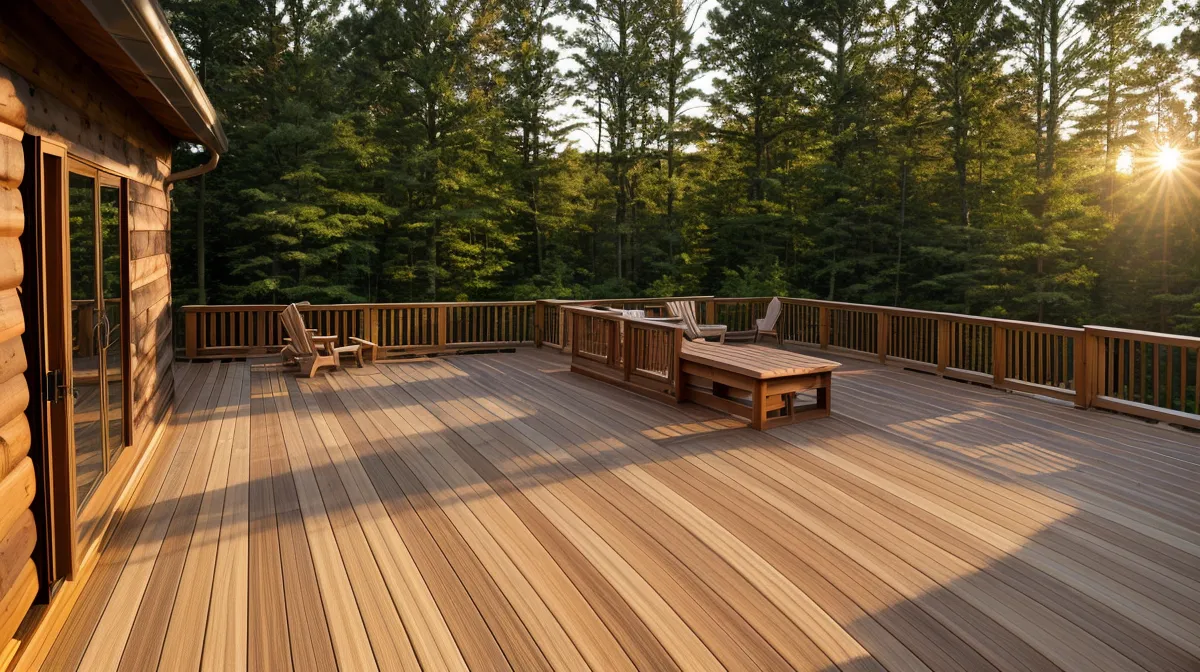
Standing on our newly finished deck one evening last fall—right around the time the first frost of November was turning the grass crisp—I realized we had a major problem. We had the view, sure, but the entire road had a front-row seat to us in our pajamas. Our 'rural retreat' felt more like a fishbowl, and every passing truck felt like an uninvited guest at our dinner table.
It’s one thing to build a deck; it’s another thing entirely to actually feel comfortable using it. We spent months planning the structure, sweating over the lumber yard learning curve, only to realize that we were basically performing on a stage for the neighborhood. We needed a wall, but after the mortgage and the materials for the deck, a wooden privacy fence was going to put us in the red. That’s when she decided we were going to grow our privacy instead.
The Red Clay Reality Check
If you live in North Carolina, you know the 'soil' is basically just unbaked bricks. During our frantic research phase, we realized our half-acre of red clay is a hostile environment for those fancy nursery-store impulse buys. Most evergreens hate 'wet feet,' and our clay holds water like a bathtub. Before we could even think about plants, we had to look at how to grade soil around a foundation to make sure we weren't just creating a swamp for our new hedge.
Our little slice of heaven is in USDA Plant Hardiness Zone 7b, which means our plants have to survive minimum temperatures that dip down to 5 to 10 degrees Fahrenheit. We couldn't just pick something pretty; it had to be tough. I was all for the fastest solution possible. I wanted a wall of Leyland Cypress because the tag promised a 3 feet annual growth rate. I figured in two years, I could drink my coffee in peace.
The Leyland Cypress Trap
This is where she stepped in with the research. While the Leyland Cypress is the 'go-to' for quick privacy, it’s often a disaster for backyard decks. Their root systems are incredibly aggressive and shallow. If you plant them close enough to screen a deck, those roots can actually start compromising your deck footings or messing with underground plumbing within a few short years. Plus, they’re prone to every disease under the sun in our humidity.
We decided to pivot. Instead of a 'wall of one species,' we looked at a layered strategy. This was partly because a neighbor’s entire monoculture hedge died from bagworms last year, leaving them totally exposed overnight. We wanted variety. We wanted something that looked like a garden, not a green barricade. But first, we had to actually get the plants in the ground.
The Great Auger Battle of April
When the early April planting window finally opened, we rented a gas-powered auger. I thought it would make the job a breeze. I was wrong. Wrestling that machine was a nightmare; it nearly took my shoulder off every time the bit hit a buried quartz rock in that stubborn clay. It was a two-person job that left us both vibrating for hours after we turned the engine off.
I remember stepping back that afternoon to admire our work, only to see the crooked line of the first three hollies we planted because we were too stubborn to use a string line. They looked like they were stumbling home from a bar. We had to dig two of them back out by hand. By the time we finished, I had the gritty feel of red clay drying under my fingernails even after three rounds of scrubbing with the garden hose. It’s a texture you never really forget.
Our Top Picks for Southeast Privacy
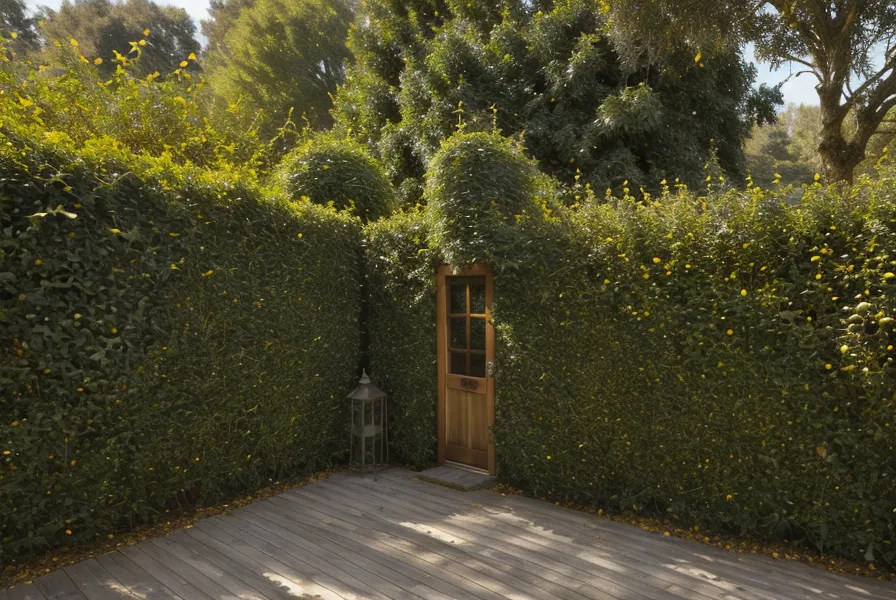
After a lot of trial and error, here are the plants that actually survived our 'learning curve' and the sweltering heat of mid-July:
- Green Giant Arborvitae: Unlike the 'Emerald Green' variety that the deer treat like a salad bar, the Green Giant is much more resistant. Just keep in mind they can reach a mature width of 12 to 20 feet, so don't crowd them.
- Wax Myrtle: A North Carolina native! These grow fast, smell amazing, and handle our clay like champs. We used these to fill in the gaps between the larger evergreens.
- Nellie R. Stevens Holly: These are the workhorses. They stay deep green all year and produce those classic red berries that the birds love.
To give them a fighting chance in the clay, we amended every hole with organic compost and pine bark fines. It helps with drainage and keeps the roots from suffocating. We also learned the hard way that you have to decide early whether you want to stain, paint, or let your deck weather, because once those plants grow in, reaching the outside of your railing becomes a much trickier game of Twister.
Sitting in the Shade
Looking back from the peak of this past summer, the effort was worth every sore muscle. Sitting behind our now-thriving screen of emerald and wax myrtle is a totally different experience. We spent a sweltering afternoon in mid-July out there, grilling and talking, and for the first time, we didn't have to wave at every passing truck. The road noise is muffled, the wind is blocked, and it actually feels like *our* space.
If you're staring at your neighbors right now, don't just run to the big box store and grab the first 'fast-growing' tree you see. Take a second, check your soil, and think about those deck footings. A little patience in the planning stage saves a lot of chainsaw work five years down the road. Now, if you'll excuse us, we have a workshop that's still technically 'in progress' and a cooler calling our names.